Introduction
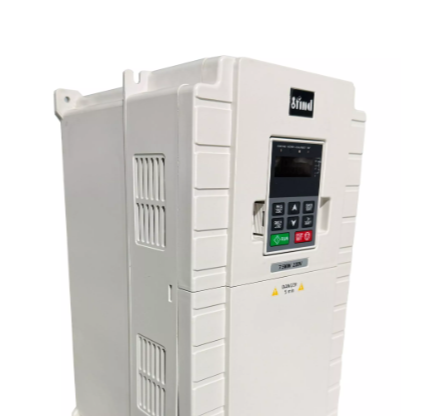
In today’s fast-paced world, elevators are vital in moving people and goods quickly. However, without precise control, they can become uncomfortable and inefficient.
This is where the elevator inverter comes in. These devices regulate motor speed, ensuring smoother rides and energy savings.
In this article, we will explore why elevator inverters are essential, how they function, and the benefits they offer for both comfort and cost-efficiency.
How Elevator Frequency Inverters Function
What is an Elevator Frequency Inverter?
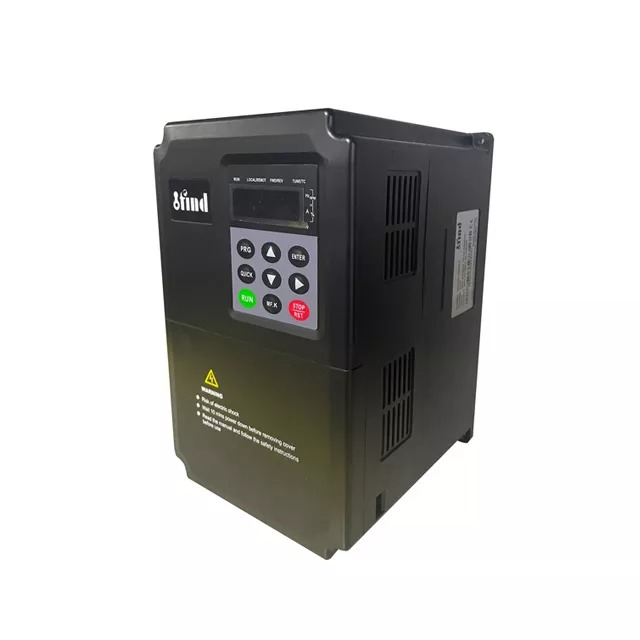
An elevator frequency inverter, also known as a variable frequency drive (VFD), is an electronic device that controls the speed of an elevator's motor. It converts the incoming alternating current (AC) into direct current (DC) and then back into AC at a frequency that can be adjusted. This adjustment allows for more precise control over motor speed, helping the elevator accelerate and decelerate smoothly.
This technology replaces traditional systems that rely on fixed-speed motors, which are less energy-efficient and lead to abrupt movements. By providing continuous adjustment, the inverter allows for a more consistent ride and reduces mechanical wear. The inverter continuously adjusts the frequency to ensure that the motor speed matches the demands of the elevator system. This prevents unnecessary energy consumption and reduces wear on the motor.
Controlling Elevator Speed with Frequency Inverters
Frequency inverters use frequency and voltage adjustments to regulate motor speed, which directly impacts the elevator's performance. During acceleration and deceleration, inverters allow for smooth transitions by controlling the rate at which the elevator speeds up and slows down.
By optimizing the motor’s speed to match the load and demand, frequency inverters reduce the strain on the elevator system and enhance the passenger experience. This smoother movement minimizes the jerks typically felt during start-ups and stops, making the ride more comfortable and less stressful for passengers. With precise control over the motor, the inverter ensures that the elevator reaches its desired floor smoothly and efficiently without any sudden jolts or disruptions.
Traditional vs. Frequency Inverter Control Systems
Traditional elevator control systems, like direct-on-line (DOL) starters, can cause sudden jolts due to their on/off nature. These systems often lead to abrupt starts and stops, which can be uncomfortable for passengers and contribute to higher wear and tear on mechanical components. Additionally, these traditional systems are not energy-efficient and often waste power.
In contrast, frequency inverters provide more efficient and controlled operation by adjusting the motor speed in real-time. This ensures that the elevator responds more smoothly to passenger demand, which not only improves comfort but also enhances the system’s lifespan. Unlike fixed-speed systems, frequency inverters adapt to the load and conditions, making the elevator more efficient and responsive.
| Feature | Traditional Control (DOL) | Frequency Inverter Control |
| Start/Stop Behavior | Abrupt start and stop, jerky | Smooth acceleration and deceleration |
| Energy Efficiency | Less energy-efficient, wastes power | Optimizes energy consumption based on demand |
| Mechanical Wear | Higher wear due to abrupt starts/stops | Reduced wear with smoother transitions |
| Noise and Vibration | High noise and vibration levels | Reduced noise and vibration due to smoother control |
| System Flexibility | Fixed-speed, less adaptable | Variable speed, adapts to load and demand |
Enhancing Passenger Comfort with Frequency Inverters
Smoother Starts and Stops for Comfort
One of the primary advantages of frequency inverters is their ability to provide smoother starts and stops. Instead of a sudden burst of speed, the inverter gradually adjusts the motor’s power to ease into motion and stop gently. This helps avoid the jarring movements that can make passengers feel uncomfortable or uneasy.
By eliminating sudden jolts, frequency inverters enhance the overall passenger experience, making elevators more comfortable to ride in. The smooth transition from stop to motion and vice versa also ensures that passengers feel secure throughout their ride. This improvement is especially important in high-speed elevators where sudden jerks can be more pronounced.
Ensuring Precise Floor Leveling
Accurate floor leveling is critical to passenger safety and comfort. Frequency inverters help control the motor’s speed precisely, ensuring that the elevator aligns perfectly with the floor level each time it stops. This prevents situations where passengers need to step up or down to enter or exit the elevator.
Without a frequency inverter, elevators may experience misalignment, leading to tripping hazards or discomfort for passengers. The ability to stop exactly at the right height improves accessibility and reduces the risk of accidents, especially for elderly or disabled passengers. This feature is especially beneficial in buildings with high traffic, ensuring a safe and smooth experience for everyone.
Reducing Noise and Vibrations in Elevators
Vibrations and noise are common complaints in traditional elevator systems. These issues are often caused by rapid acceleration or deceleration, which places strain on mechanical components. Frequency inverters alleviate these problems by allowing for smoother transitions during operation.
Advanced motor control techniques like vector control reduce motor vibrations and minimize noise, making the ride quieter and more enjoyable. This is particularly important in high-speed or high-traffic elevators, where noise and vibrations can be distracting or disruptive. The reduction of vibrations also helps prevent long-term damage to the elevator’s mechanical components, extending the system's lifespan and reducing maintenance costs.
Energy Efficiency and Cost Savings with Frequency Inverters
| Benefit | Traditional Systems | Frequency Inverters |
| Energy Consumption | High, operates at full speed constantly | Optimizes motor speed to reduce wasted energy |
| Operating Costs | Higher due to energy wastage and maintenance | Reduced energy costs and fewer maintenance needs |
| Maintenance Frequency | Higher maintenance due to wear and tear | Lower maintenance frequency due to reduced mechanical stress |
| Lifespan of Components | Shorter lifespan due to excessive strain | Extended lifespan due to smooth operation |
| Installation Space | Requires more space for control systems | Compact design saves space in elevator shaft |
Optimizing Energy Consumption in Elevators
Energy efficiency is a critical consideration for modern elevators, particularly in commercial and high-rise buildings where elevators are used frequently. Frequency inverters optimize energy consumption by adjusting the motor speed based on demand. This ensures that the motor only uses the necessary amount of energy, eliminating wasted power during idle or low-demand periods.
During high-demand periods, the inverter adjusts the motor to provide the necessary power without overloading the system. This dynamic control contributes to significant energy savings over time. Frequency inverters also adapt to the elevator's usage patterns, optimizing energy consumption during peak hours and reducing it during less frequent use, which makes them highly efficient.
Lowering Maintenance and Operating Costs
Frequency inverters not only save energy but also reduce maintenance costs. By minimizing mechanical strain and optimizing system performance, they reduce the frequency of repairs and replacements. This helps lower the total cost of ownership over the elevator’s lifespan.
In addition, because inverters control the elevator motor more precisely, they help extend the lifespan of other components like cables, pulleys, and bearings, further decreasing maintenance requirements. The reduction in mechanical stress also prevents overheating and other operational failures, leading to fewer system breakdowns and a more reliable service.
Cost-Effective Installation and Operation
Although the initial installation of a frequency inverter may seem like an additional expense, the long-term cost savings make it a smart investment. Frequency inverters are compact, saving space compared to traditional control systems. They are also more cost-effective in operation due to their energy-saving features and reduced maintenance needs.
The installation process for frequency inverters is also straightforward, and their compact design makes them a suitable choice for buildings with limited space for elevator control systems. Over time, the savings in energy and maintenance far outweigh the initial cost of installation, making them a highly cost-effective solution for building owners.
Why Frequency Inverters Are Essential for Elevator Systems
| Key Aspect | Traditional Systems | Frequency Inverters |
| Tailored for Elevators | Generic, not optimized for elevators | Designed specifically for vertical transportation |
| System Stability | Prone to instability, especially in high-demand situations | Ensures stable operation under all conditions |
| Safety Features | Basic safety features | Advanced safety features (overload, overheating protection) |
| Noise Reduction | Higher noise levels | Low-noise operation, ideal for urban environments |
| Environmental Impact | Higher energy consumption, higher carbon footprint | Optimized energy use, eco-friendly operation |
Tailored Solutions for Elevator Applications
Not all inverters are created equal. While general-purpose inverters may suffice for simple systems, elevator-specific inverters are designed to meet the unique demands of vertical transportation. These inverters ensure stable and reliable operation, even under high-demand conditions, such as during peak hours in commercial buildings.
Elevator inverters are also optimized to handle the specific requirements of elevator motors, ensuring smoother and more efficient operation than regular inverters. These specialized inverters provide better control over acceleration, deceleration, and stopping positions, all of which contribute to the improved performance of the elevator system.
Improving Safety in Elevator Operation
Elevator safety is paramount. Frequency inverters improve safety by providing precise control over the elevator motor. They help prevent issues like overloads, overheating, and overcurrent, which can cause system failure or even accidents.
Moreover, inverters help protect the elevator system from voltage fluctuations, preventing sudden system shutdowns and ensuring continuous operation in fluctuating power conditions. These safety features make frequency inverters indispensable in modern elevator systems, especially in high-rise buildings where reliability is critical.
Eco-Friendly and Low-Noise Solutions
Environmental concerns are increasingly driving the adoption of sustainable technologies. Frequency inverters contribute to eco-friendly building practices by optimizing energy usage and reducing the overall carbon footprint of the elevator system. Additionally, by minimizing noise levels, frequency inverters align with modern standards for noise reduction in urban environments.
With their quiet operation, frequency inverters also meet the growing demand for noise reduction in building design. In busy environments such as office buildings or residential complexes, the ability to run elevators quietly without disturbing the surrounding area is a major benefit.
Emerging Trends in Elevator Frequency Inverters
Technological Advancements in Inverter Design
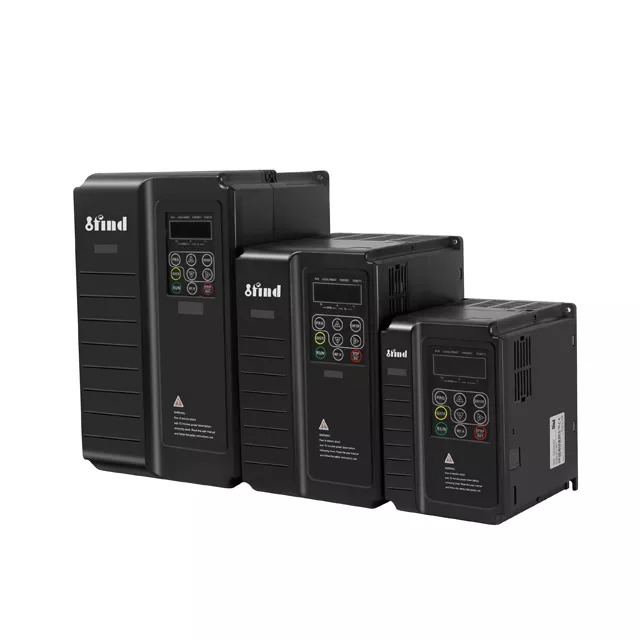
The development of new technologies is pushing the boundaries of what frequency inverters can do. High-voltage and medium-voltage inverters are becoming more prevalent, offering even greater efficiency and stability for large buildings and skyscrapers. Additionally, the integration of digital and adaptive technologies is enhancing inverter performance, allowing for more precise control and better energy management.
These advancements are also making frequency inverters more accessible and suitable for a wider range of building types, from residential to commercial and industrial buildings. The ongoing development of inverter technology promises even greater efficiency and flexibility, making them an essential component of future elevator systems.
The Future of Smart and Energy-Efficient Elevators
The demand for smarter, more energy-efficient elevator systems is growing. Future elevator inverters are expected to incorporate intelligent control systems, enabling them to learn from usage patterns and optimize energy consumption even further. These systems will not only improve efficiency but also enhance the overall user experience by providing faster and smoother rides with less energy use.
The future of elevator systems lies in intelligent, adaptable technologies that can adjust to real-time demands, making them more efficient, user-friendly, and environmentally sustainable.
Conclusion
Elevator frequency inverters are vital for enhancing comfort, energy efficiency, and safety in modern systems. They provide smoother starts and stops, reduce noise, and optimize energy consumption. Frequency inverters help lower maintenance costs and extend the lifespan of elevator components. Companies like IFIND offer reliable inverters that provide these benefits, ensuring superior performance and energy savings. Their products help businesses reduce operational costs while improving the overall user experience.
FAQ
Q: What is an elevator inverter?
A: An elevator inverter is an electronic device that regulates the speed and operation of the elevator motor, ensuring smoother acceleration, deceleration, and improved energy efficiency.
Q: Why should I use an elevator inverter in my system?
A: Using an elevator inverter enhances passenger comfort by providing smooth starts and stops, reduces energy consumption, and minimizes maintenance costs, making your system more efficient.
Q: How does an elevator inverter improve energy efficiency?
A: An elevator inverter adjusts the motor's speed based on demand, optimizing energy use and reducing wasted power, which leads to significant energy savings over time.
Q: What are the advantages of using a frequency inverter for elevators?
A: Frequency inverters improve ride comfort, reduce noise, increase system longevity, and lower energy and maintenance costs, making them a cost-effective solution.
Q: Are elevator inverters expensive to install?
A: While the initial cost of an elevator inverter may be higher, the long-term savings in energy, maintenance, and extended system life make it a worthwhile investment.


