Introduction
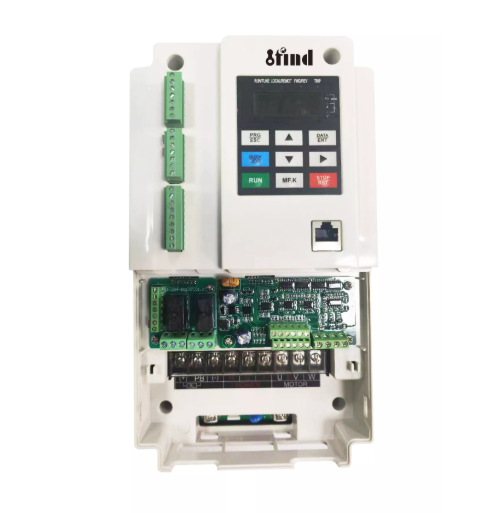
Have you ever wondered how to power large machinery with just a single-phase supply? This is where a single-phase to three-phase inverter comes in. It offers an efficient and cost-effective solution for converting single-phase AC power into three-phase power, which is crucial for industrial and residential applications.
In this article, we will explore how single-phase to three-phase inverters work, their applications, and the benefits they offer. By the end, you'll understand how to choose the right inverter for your needs.
The Importance of Power Conversion in Electrical Systems
Understanding Power Systems: Single-Phase vs Three-Phase
Power systems can be categorized into two main types: single-phase and three-phase systems. A single-phase system is the most common type used in residential areas, as it requires only two wires: one live wire and one neutral. It delivers alternating current (AC) that fluctuates between positive and negative voltages. While ideal for low power demand, single-phase power can lead to instability when used for larger equipment or machinery.
On the other hand, three-phase systems are designed to meet higher energy demands, typically found in commercial and industrial applications. A three-phase system uses three live wires, each spaced 120° apart, which ensures the delivery of a more constant and stable flow of electricity. This setup provides balanced power output, making it ideal for running large machinery and equipment that need consistent energy supply. In these systems, the total energy is distributed evenly over three conductors, reducing fluctuations and improving overall efficiency.
| Feature | Single-Phase System | Three-Phase System |
| Number of Wires | 2 (Live + Neutral) | 3 (Live) |
| Voltage | Lower, unstable for high power needs | Higher, stable for heavy machinery |
| Common Uses | Residential | Industrial, Commercial |
| Power Delivery | Fluctuates between positive and negative | Continuous, balanced flow |
| Equipment Compatibility | Low power equipment | High power equipment |
How Single-Phase to Three-Phase Inverters Work
A single-phase to three-phase inverter plays a vital role in converting single-phase AC power into three-phase AC power, making it possible to operate three-phase equipment on a single-phase power source. The inverter achieves this by receiving the alternating current (AC) from the single-phase input, converting it to direct current (DC), and then reconfiguring it into three-phase alternating current (AC) output. By doing so, the inverter facilitates the use of equipment designed for three-phase power, including motors and other industrial machines, without requiring a complete overhaul of the existing electrical system.
This conversion not only helps businesses and homes run three-phase equipment without additional infrastructure but also offers a cost-effective solution for areas where three-phase power is either unavailable or economically impractical. As a result, it provides a significant advantage by minimizing setup costs while enabling access to three-phase power capabilities.
How Single-Phase to Three-Phase Inverters Operate
The Conversion Process: From Single-Phase to Three-Phase
The process of converting single-phase AC power into three-phase AC power is complex yet highly efficient. The inverter receives single-phase AC power, typically from the electrical grid or a solar panel setup. It first uses a rectifier to transform the alternating current (AC) into direct current (DC). After the DC power is processed, the inverter uses advanced technology to split the output into three separate phases, each separated by a 120° phase difference.
This separation of phases ensures a smoother and more stable power output compared to single-phase power. The output three-phase AC can now be used to power large motors, industrial machines, and other equipment that require a steady and high-capacity energy supply. The inverter’s ability to adjust voltage and current guarantees that the power output is consistent, ensuring optimal performance for equipment that demands high energy levels.
Components of Single-Phase to Three-Phase Inverters
A single-phase to three-phase inverter consists of several key components that work together to facilitate the conversion process:
| Component | Function |
| Rectifier | Converts single-phase AC power to DC power. |
| Inverter Circuit | Converts DC power back to three-phase AC power. |
| Control System | Manages the switching mechanisms and regulates the phases. |
| Output Filtering | Smooths out the waveform to ensure stable power supply. |
Inverter Functionality: Key Mechanisms Behind the Conversion
Inverters use a combination of sophisticated electronics and algorithms to manage the power conversion process. The control system coordinates the various components, ensuring that the voltage, current, and frequency of the output match the needs of the three-phase equipment. The inverter's efficiency in handling the conversion determines its ability to deliver stable, high-quality power while minimizing energy losses during the process.
These inverters are designed to work in a variety of environments, from small-scale residential applications to large industrial setups. Their versatility makes them ideal for converting single-phase power into three-phase power without requiring significant changes to the existing electrical infrastructure.
Common Applications of Single-Phase to Three-Phase Inverters
| Application Area | Description | Example Equipment |
| Industrial | Powers large machinery and motors requiring three-phase power. | Motors, Compressors, Pumps |
| Residential | Enables the use of three-phase appliances in single-phase homes. | HVAC Systems, Pool Pumps, Water Heaters |
| Renewable Energy | Converts DC power from solar panels or wind turbines to AC power. | Solar Power Systems, Wind Farms |
Industrial Use of Three-Phase Power
The three-phase power provided by single-phase to three-phase inverters is essential for industries that require high power and stable energy supply for running motors, compressors, and other machinery. In industries like manufacturing, construction, and mining, three-phase systems deliver more efficient power, helping machines operate at optimal performance while reducing energy losses.
Businesses that only have access to single-phase power can still use three-phase equipment by installing a single-phase to three-phase inverter. This cost-effective solution eliminates the need for a complete electrical system upgrade, allowing industries to utilize three-phase machinery without the high cost of extending three-phase lines.
How Homeowners Benefit from These Inverters
While typically used in commercial and industrial settings, single-phase to three-phase inverters can also benefit homeowners, especially in off-grid or solar-powered homes. Many high-efficiency appliances, such as HVAC systems, pool pumps, and large water heaters, are designed to run on three-phase power. By using a single-phase to three-phase inverter, homeowners can operate these appliances without the need for a more expensive three-phase power supply.
For homeowners with solar power systems, the inverter enables the efficient use of three-phase appliances by converting the DC power from solar panels into usable three-phase AC power. This is a perfect solution for homes that have limited access to three-phase power but still want to enjoy the benefits of advanced, high-performance equipment.
Renewable Energy and Commercial Applications
Single-phase to three-phase inverters are also commonly used in renewable energy applications. Solar power systems, for example, generate DC power through photovoltaic (PV) panels. To connect the power to the grid and operate three-phase systems, an inverter is necessary to convert the DC power into AC power.
These inverters are crucial for enabling solar farms, wind farms, and other renewable energy systems to efficiently deliver power to the grid. They ensure that the energy produced by renewable sources is stable and consistent, optimizing the use of renewable resources while reducing the environmental impact.
Key Features and Advantages of Single-Phase to Three-Phase Inverters
Maximizing Efficiency: Reducing Energy Loss
A significant advantage of single-phase to three-phase inverters is their ability to maximize energy efficiency. By converting single-phase power into three-phase power, these inverters minimize energy losses that would otherwise occur during the transmission process. This results in a more efficient energy system, reducing both operating costs and environmental impact.
Additionally, in industrial settings, the efficiency of three-phase power ensures that machines run more effectively, reducing the energy consumption of motors and other equipment.
Space-Saving and Flexible Design
Inverters are designed with compactness in mind, making them suitable for installations in spaces with limited room. This is especially valuable in environments that need to conserve space or when retrofitting an existing system. Whether for residential, commercial, or industrial applications, single-phase to three-phase inverters can be easily integrated into a variety of setups, ensuring flexibility and ease of installation.
Advanced Control Features for Stability
Modern single-phase to three-phase inverters are equipped with advanced control features such as voltage regulation, frequency synchronization, and protection mechanisms. These features ensure that the inverter maintains stable output, even when there are fluctuations in the power supply. The intelligent control system also protects the inverter and the connected equipment from overloads, short circuits, and other potential electrical hazards, which helps prolong the lifespan of both the inverter and the equipment.
Scalability: Adapting to Different Power Needs
Another key feature of single-phase to three-phase inverters is their scalability. These inverters are available in various sizes and power ratings, making them suitable for a wide range of applications, from small household appliances to large industrial machinery. This adaptability ensures that businesses and homeowners can select the inverter that best meets their specific power needs without overpaying for unnecessary capacity.
Benefits of Using Single-Phase to Three-Phase Inverters
Cost-Effective Power Solutions
One of the primary reasons businesses and homeowners opt for single-phase to three-phase inverters is the cost savings. Rather than investing in expensive electrical infrastructure to install a three-phase power system, these inverters allow users to convert their existing single-phase supply into three-phase power at a fraction of the cost. This makes it a highly affordable solution, particularly for those in areas with limited access to three-phase power.
Enhanced Efficiency and Power Output
Three-phase systems offer several benefits over single-phase power. Single-phase to three-phase inverters allow users to tap into these advantages, such as higher starting torque, more consistent power delivery, and better overall efficiency. This results in smoother operations for equipment and reduces the strain on motors and other machinery, leading to lower maintenance costs and fewer breakdowns.
Versatility Across Multiple Applications
The versatility of single-phase to three-phase inverters makes them suitable for a broad range of applications. From powering household appliances and off-grid systems to supporting large industrial machines, these inverters are used in numerous settings. Their ability to handle varying power loads ensures that they can meet the needs of different industries, providing reliable and efficient power for a variety of use cases.
Choosing the Right Single-Phase to Three-Phase Inverter
Assessing Power Requirements for Optimal Performance
Selecting the right single-phase to three-phase inverter begins with accurately assessing the power needs of the equipment you intend to run. This is essential to ensure the inverter can provide sufficient energy without overloading. For small residential appliances, a lower-capacity inverter might be sufficient, but for larger industrial machinery, you'll need a more powerful model to handle higher voltage and current demands. To determine the necessary inverter size, calculate the total wattage of the equipment you plan to power, considering factors like startup surge power, which can be significantly higher than the steady-state power requirement. Choosing an inverter with a capacity that exceeds the peak power requirement of your load will ensure smooth operation and prevent damage to both the inverter and connected equipment.
Moreover, it's important to factor in future upgrades or expansions to your power system. For instance, if you anticipate adding more equipment or scaling up your operations, selecting an inverter with a slightly higher power capacity can save you the hassle of upgrading the inverter in the future. Over-sizing the inverter provides a buffer for potential power fluctuations, making the system more adaptable in the long term.
Compatibility with Equipment and Voltage Ratings
Another key consideration is ensuring that the inverter's output matches the voltage specifications of the equipment you intend to run. Electrical devices are designed to operate within specific voltage ranges, and mismatching these requirements can lead to inefficient operation or even damage to the equipment. Most industrial machinery requires a 380V to 415V three-phase supply, while residential systems might work with 240V. Therefore, choosing an inverter with the correct output voltage is crucial for ensuring the safety and efficiency of the entire system.
Additionally, inverters often come with adjustable settings to accommodate different types of loads and varying voltage requirements. For instance, if you’re running equipment that requires a stable and precise voltage, choosing an inverter with fine control capabilities is essential. Features like voltage regulation and automatic voltage adjustment will ensure that the inverter consistently provides the optimal voltage output. Pay attention to the inverter’s frequency settings as well—common values for three-phase systems are 50Hz or 60Hz, and ensuring the inverter aligns with the required frequency is essential for compatibility.
Long-Term Benefits: Scalability and Efficiency
When selecting a single-phase to three-phase inverter, it's important to think beyond immediate needs and consider long-term scalability. Over time, your energy demands may increase as your business grows or as you add more high-power appliances or machinery. An inverter that offers scalability will allow you to meet these future demands without needing a complete replacement. Some inverters come with modular designs, meaning you can add additional capacity as needed, providing flexibility and reducing the need for frequent upgrades.
In addition to scalability, efficiency is another critical factor for long-term success. Choose an inverter with high efficiency to minimize energy loss during conversion. Inverters with efficiency ratings of 95% or higher are ideal, as they convert the maximum amount of energy, reducing the operational cost and improving overall system performance. High-efficiency inverters also generate less heat, which helps prolong their lifespan and reduces the need for maintenance. By considering these factors, you ensure that your power system will continue to operate effectively and cost-efficiently for many years to come.
Conclusion
Single-phase to three-phase inverters are a versatile, cost-effective solution for businesses and homeowners who require three-phase power without the need for expensive infrastructure. By converting single-phase AC into three-phase AC, these inverters offer greater efficiency, stability, and performance for a wide range of applications.
When selecting a single-phase to three-phase inverter, consider your current and future power needs. Look for an inverter that matches your equipment's specifications and offers scalability for growth. By choosing the right inverter, you can maximize energy efficiency, reduce costs, and improve the overall reliability of your power system.
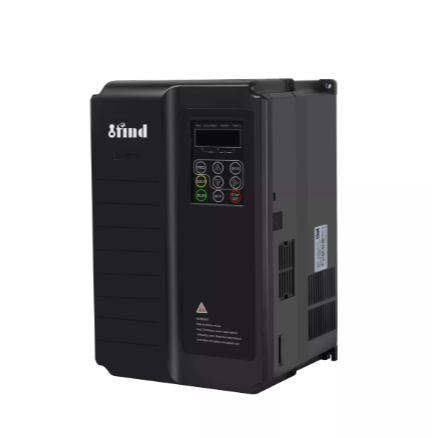
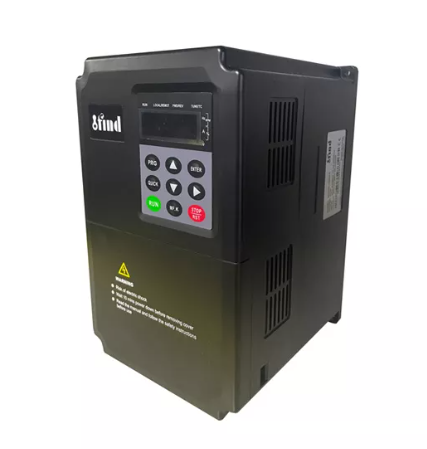
IFIND offers high-quality single-phase to three-phase inverters that provide exceptional performance and energy efficiency. Their products are designed to meet various power needs, ensuring reliability and long-term savings for both industrial and residential applications. With IFIND's innovative technology, you can easily scale your energy system without the need for extensive infrastructure changes.
FAQ
Q: What is a Single-phase to three-phase inverter?
A: A single-phase to three-phase inverter is a device that converts single-phase AC power into three-phase AC power, making it possible to operate equipment designed for three-phase systems on a single-phase supply.
Q: How does a Single-phase to three-phase inverter work?
A: The inverter first converts single-phase AC into DC and then reverts it to three-phase AC. This process ensures a stable and continuous power supply for large machinery or industrial equipment.
Q: Why do I need a Single-phase to three-phase inverter?
A: If you only have single-phase power but need to run three-phase equipment, a single-phase to three-phase inverter allows you to use your existing infrastructure to power industrial machinery without installing expensive three-phase lines.
Q: Can a Single-phase to three-phase inverter save energy?
A: Yes, single-phase to three-phase inverters are designed to be energy-efficient, reducing energy losses during the conversion process. This leads to lower operational costs and a more stable energy supply.
Q: How do I choose the right Single-phase to three-phase inverter?
A: Consider your equipment's voltage, current requirements, and future power needs. Choose an inverter that matches these specifications and provides scalability for future energy demands.


