Introduction
Have you ever wondered how modern elevators achieve smooth, efficient, and safe operation? A major factor lies in the introduction of elevator drive inverters. These innovative devices are crucial in optimizing elevator performance, offering improved safety, energy efficiency, and comfort.
In this article, we will explore how elevator drive inverters are transforming vertical transportation systems. You’ll learn how these inverters enhance system performance, reduce energy consumption, and contribute to smoother rides for passengers.
How Elevator Drive Inverters Work to Optimize Elevator Systems
Understanding the Functionality of Elevator Drive Inverters
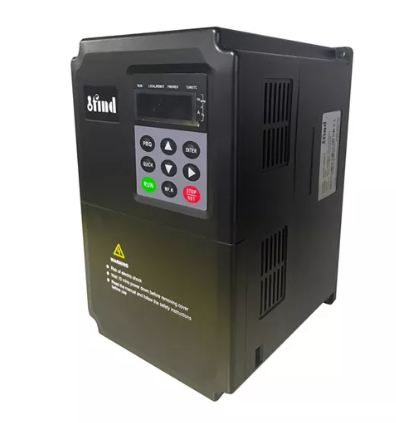
An elevator drive inverter, also known as a variable frequency drive (VFD), regulates the speed of the elevator motor by controlling the frequency and voltage of the electrical power supplied to it. Unlike traditional elevator systems that use fixed-speed motors, inverters allow for much more precise control, adjusting motor speed based on passenger demand, weight, and other relevant factors. This allows for a more efficient operation, reducing energy consumption and ensuring optimal performance throughout the day.
Elevator inverters work by converting alternating current (AC) to direct current (DC) and then back to AC at variable frequencies. This process not only allows the elevator to move smoothly but also ensures that it can stop and start in a controlled manner. The inverter, in essence, acts as the brain behind the elevator’s movement, carefully regulating the flow of electricity to optimize performance and ensure both safety and comfort for passengers.
How Inverters Improve Elevator Performance and Efficiency
Elevator inverters significantly optimize performance by offering a more responsive system. For example, when the load in the elevator is light, the inverter reduces the motor speed, which decreases power consumption. Conversely, when the elevator is heavily loaded, the inverter adjusts the motor speed to accommodate the additional weight, ensuring the elevator moves efficiently without compromising performance.
This dynamic adjustment of motor speed not only improves the energy efficiency of the system but also reduces wear and tear on the mechanical components of the elevator, ultimately extending the system’s lifespan. By ensuring that the elevator only uses as much power as necessary for the task at hand, elevator drive inverters provide an environmentally-friendly and cost-effective solution for building managers.
Comparing Elevator Drive Inverters with Traditional Systems
Traditional elevator systems typically rely on fixed-speed motors and mechanical braking systems to control the speed of the elevator. While these systems work, they are less efficient. Fixed-speed motors operate at full speed regardless of the load, leading to unnecessary energy consumption, and the mechanical braking system can result in more wear and tear on parts over time.
In contrast, elevator drive inverters offer smoother acceleration and deceleration, which helps to reduce the mechanical stress on elevator parts. With inverters, there is a precise control over the motor speed, which leads to less energy wastage, fewer maintenance issues, and a more comfortable ride for passengers. This dynamic control makes inverters not only more efficient but also more reliable and sustainable compared to traditional systems.
| Feature | Traditional Elevator Systems | Elevator Drive Inverters |
| Speed Control | Fixed-speed motors | Variable speed adjustment |
| Energy Consumption | High, operates at full speed | Optimized based on load and demand |
| Ride Quality | Sudden starts/stops, jerky motion | Smooth acceleration and deceleration |
| Maintenance Requirements | Higher due to wear and tear | Lower, as inverters reduce mechanical stress |
| Regenerative Braking | Not available | Converts excess energy during descent |
Key Benefits of Using Elevator Drive Inverters for Efficiency and Safety
Reducing Energy Consumption with Inverter Technology
One of the most significant advantages of elevator drive inverters is their ability to reduce energy consumption. Traditional elevator systems often run at full speed, regardless of the load, which leads to significant energy waste. Elevator inverters, however, adjust motor speed in real-time based on passenger demand and load, ensuring that the elevator only uses as much energy as needed.
In addition to this, regenerative braking technology in inverters allows excess energy generated during the elevator’s descent to be fed back into the building’s electrical grid. This helps to further reduce energy costs and improves the building’s overall energy efficiency. The result is a more sustainable and cost-effective solution for managing elevator operations.
Ensuring Smooth and Comfortable Ride Quality
The precise control provided by elevator drive inverters guarantees a smoother ride for passengers. In traditional elevator systems, sudden starts and stops can lead to discomfort, especially when the elevator is heavily loaded. This can cause passengers to feel jerks or vibrations as the elevator moves between floors.
Elevator inverters eliminate these issues by gradually adjusting the motor speed. This ensures smoother acceleration and deceleration, reducing vibrations and jerks that might occur during the ride. The inverter’s ability to regulate motor torque further stabilizes the system, creating a comfortable, smooth, and reliable ride that passengers can trust.
Maximizing Efficiency with Regenerative Braking
Regenerative braking is a key feature in elevator drive inverters. During the descent of the elevator, the weight of the elevator car generates excess energy due to gravity. Rather than letting this energy go to waste, regenerative braking converts it into electrical energy. This energy is then either fed back into the building’s power grid or stored for future use, which helps to reduce the building's overall energy consumption.
By capturing and reusing this excess energy, regenerative braking enhances the overall efficiency of the elevator system. This not only reduces energy costs but also contributes to the building’s sustainability efforts, making elevator systems more environmentally friendly.
Ensuring Safety and Reliability in Elevator Operations
Safety Features Built into Elevator Drive Inverters
Elevator inverters come equipped with a variety of built-in safety features designed to ensure the system operates safely and reliably. These features include overcurrent protection, fault detection, and Safe Torque Off (STO), all of which help to prevent accidents and ensure that the elevator operates within safe parameters.
For example, in the event of an electrical fault, the inverter will detect the issue and shut down the system automatically to prevent further damage. This continuous monitoring of the system ensures that the elevator remains safe to use, even during periods of high traffic or emergency situations.
Preventing Rollback During Power Failures
One of the most important safety features of elevator drive inverters is their ability to prevent rollback during power failures. If the elevator loses power while moving, the inverter ensures that the elevator car does not roll back, which could cause injury or panic among passengers. This is particularly important in high-rise buildings where power outages may happen unexpectedly, potentially putting passengers in dangerous situations.
Monitoring and Emergency Response for Elevator Safety
Elevator inverters are integral in fault detection and emergency response. If the system detects any malfunction, the inverter can automatically alert maintenance staff, enabling them to address the issue quickly. In case of an emergency, the inverter can safely bring the elevator to a halt at the nearest floor, allowing for the safe evacuation of passengers. These features provide an extra layer of safety, ensuring that passengers are well-protected during any emergency.
Energy Efficiency and Environmental Benefits of Inverter Technology
How Elevator Inverters Minimize Power Consumption
Elevator drive inverters are specifically designed to minimize energy usage. They achieve this by adjusting motor speed based on demand, ensuring that the elevator uses only the amount of energy necessary to perform its tasks. Unlike traditional systems, which operate at full capacity regardless of load, elevator drive inverters optimize energy consumption, leading to lower electricity bills and a more sustainable operation.
The ability to monitor energy usage in real time and adjust the motor speed accordingly means that the elevator is always operating at peak efficiency, saving energy in both idle and active states.
Energy Regeneration and Sustainability Benefits
As mentioned earlier, regenerative braking technology is a powerful feature of elevator drive inverters. During the descent of the elevator, excess energy is generated and captured by the system. This energy can either be stored or fed back into the building’s power grid, reducing the need for additional electricity from external sources. This regenerative process significantly contributes to overall energy efficiency, lowers operational costs, and supports sustainability initiatives within the building.
Simplifying Installation and Maintenance of Elevator Drive Inverters
Streamlined Installation Process for Inverter Systems
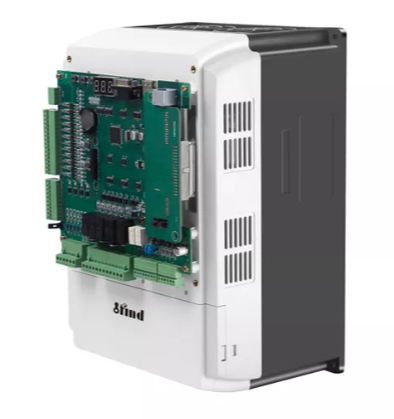
Modern elevator inverters are designed for easy installation, reducing the time and labor costs associated with traditional systems. These inverters have simpler wiring systems and fewer mechanical components, which makes them quicker and easier to install. Additionally, their compact size allows for more flexible installation options, especially in buildings with limited space, such as those using machine-room-less elevators.
Built-in Diagnostics for Efficient Maintenance
Elevator inverters come with built-in diagnostic tools that provide real-time monitoring of system performance. These tools allow building managers to detect potential faults before they become major issues, reducing downtime and preventing costly repairs. Regular diagnostics help ensure that the elevator operates smoothly, and the system can be maintained efficiently with minimal disruptions to service.
Diverse Applications of Elevator Drive Inverters Across Industries
| Type of Inverter | Application Area | Key Features |
| Low-Speed Inverters | Suitable for low-rise buildings or freight elevators | Provides smooth, gradual acceleration and deceleration |
| High-Speed Inverters | High-rise buildings and fast elevators | Handles rapid acceleration and deceleration |
| Regenerative Inverters | Energy-efficient buildings, green building initiatives | Recovers and reuses excess energy from descent |
| Machine-Room-Less Inverters | Buildings without dedicated elevator machine rooms | Compact design, suitable for confined spaces |
Optimizing Elevator Performance in Commercial Buildings
In high-rise commercial buildings, elevator systems face heavy traffic, especially during peak hours. Elevator drive inverters optimize system performance by adjusting motor speed and ensuring smoother acceleration and deceleration. This not only reduces wait times but also improves passenger experience, particularly in busy office towers where elevators are in constant use.
Enhancing Efficiency in Residential Elevators
In residential complexes, elevator drive inverters improve efficiency by reducing energy consumption, ensuring smoother operation, and providing quieter rides. These benefits not only enhance the comfort of the residents but also reduce operational costs, making it an attractive option for property managers looking to cut down on expenses.
Elevator Drive Inverters in Hospitals and Healthcare
In healthcare facilities, elevator reliability is paramount. Elevator drive inverters help ensure that hospital elevators operate safely and efficiently, minimizing delays in transporting patients and medical equipment. The precision of inverter-controlled systems is particularly important in these environments, where smooth operation is crucial for patient care.
Conclusion
Elevator drive inverters have revolutionized vertical transportation by enhancing efficiency, safety, and comfort. As buildings continue to grow taller and more complex, the importance of these inverters will only increase. They will become integral to smart building systems, supporting energy efficiency, sustainability, and improving passenger experience.
The future of elevator systems is bright, with ongoing advancements in technology. As smart buildings rise in popularity, elevator drive inverters will play a central role in optimizing building operations. IFIND provides innovative inverter solutions that enhance system efficiency and offer long-term value for vertical transportation.
FAQ
Q: What is an Elevator Drive Inverter?
A: An elevator drive inverter is a device that controls the speed and torque of an elevator motor by adjusting the frequency and voltage of the electrical supply, ensuring smooth and efficient operation.
Q: How does an Elevator Drive Inverter improve energy efficiency?
A: The elevator drive inverter adjusts motor speed based on demand, reducing energy consumption. It also features regenerative braking, which recovers excess energy during descent and returns it to the system.
Q: Why is an Elevator Drive Inverter important for safety?
A: An elevator drive inverter enhances safety by offering smooth acceleration, deceleration, and preventing rollback during power failures, ensuring a safe ride for passengers.
Q: How does an Elevator Drive Inverter enhance ride comfort?
A: By regulating motor speed and torque, an elevator drive inverter ensures smoother starts, stops, and consistent motion, reducing jerks and vibrations for a more comfortable ride.
Q: How does an Elevator Drive Inverter reduce maintenance costs?
A: Elevator drive inverters reduce wear and tear on mechanical components by offering smoother operation, leading to fewer repairs and less frequent maintenance.


