Introduction
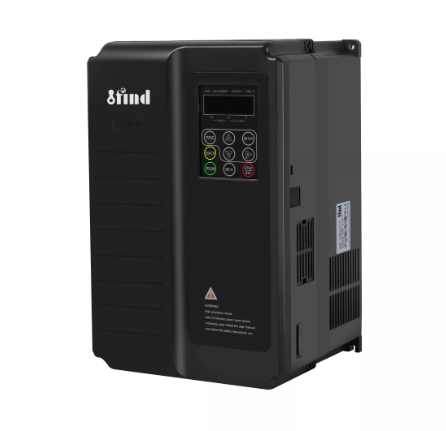
Have you ever wondered how elevators maintain a smooth and comfortable ride, even during rapid stops and starts? The secret lies in a crucial component called the Elevator Inverter.
In this article, we will explore how elevator inverters control motor speed, enhance safety, and improve energy efficiency. You’ll also learn about the different types of inverters and their importance in modern elevator systems.
Key Functions of Elevator Inverters
Controlling Motor Speed and Torque
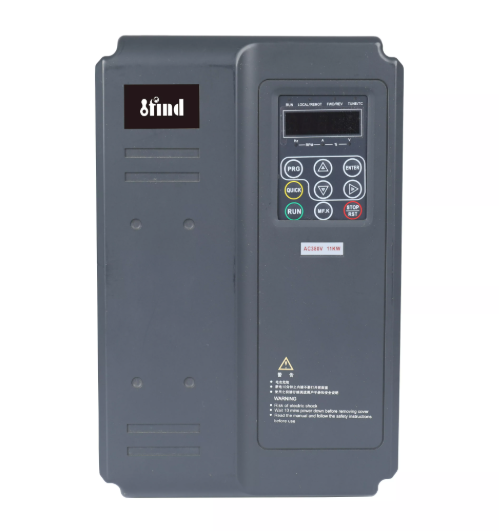
Elevator inverters control the motor’s speed and torque by adjusting the voltage and frequency supplied to the motor. This precise control allows the elevator to operate smoothly and efficiently. During the initial phase of the elevator's movement, the inverter slowly increases the motor's speed, ensuring a gradual start without any jerks or abrupt movements. As the elevator approaches the desired floor, the inverter gradually reduces the motor speed, providing a controlled stop that ensures passengers are not disturbed. This regulation of motor speed and torque not only improves ride comfort but also enhances safety by preventing abrupt or unexpected movements.
Improving Ride Comfort
One of the key benefits of elevator inverters is their ability to improve ride comfort. Without inverters, elevators can experience jerks or sudden movements during acceleration and deceleration, which can be uncomfortable for passengers. Inverters eliminate these issues by ensuring smooth transitions at all speeds. For instance, when an elevator starts moving, the inverter makes sure that the motor gradually ramps up speed. Similarly, when the elevator approaches its destination, the inverter helps the motor gradually slow down. This smooth, controlled movement prevents uncomfortable jolts, providing passengers with a more enjoyable and comfortable ride. This feature is especially important for passengers who may be sensitive to sudden movements, such as the elderly, children, or people prone to motion sickness.
Enhancing Elevator Safety
Elevator inverters are integral to ensuring the safety of passengers. They come equipped with a variety of safety features that prevent accidents and malfunctions. For instance, inverters include anti-rollback functionality, which prevents the elevator from rolling back if there is a power failure or if the system malfunctions. This is crucial for preventing accidents and ensuring that passengers do not find themselves stuck in an unsafe position. Additionally, many inverters have built-in monitoring systems that check the performance of the elevator's braking system. If a fault is detected, the inverter automatically triggers an emergency stop or activates a rescue operation, which safely brings the elevator to the nearest floor. These safety measures play a vital role in maintaining the reliability and safety of the elevator system.
Advantages of Elevator Inverters for Efficiency
Energy Saving and System Efficiency
Elevator inverters are not just about comfort and safety; they also offer significant energy-saving benefits. By precisely adjusting the motor's speed and torque, inverters ensure that the elevator consumes only the necessary amount of power. For instance, when the elevator is not in use or is moving slowly, the inverter reduces power consumption, leading to lower electricity bills. Furthermore, some inverters feature energy regeneration technology, which captures excess energy produced during braking and feeds it back into the power system. This process not only reduces overall energy consumption but also helps lower the building's operational costs. In a commercial setting, this can result in substantial savings over time, making elevator inverters a cost-effective investment.Here’s a summary of the key energy-saving features of elevator inverters:
| Feature | Description | Impact on Energy Efficiency |
| Energy Regeneration | Captures excess energy during braking and reuses it | Reduces overall energy consumption |
| Precise Speed Control | Adjusts motor speed and torque based on demand | Minimizes energy usage during idle or slow movement |
| Low Power Consumption | Uses minimal power in idle mode | Reduces power consumption when not in active use |
Prolonging Elevator Component Lifespan
In addition to energy efficiency, elevator inverters also contribute to the longevity of the elevator's components. By managing the motor's speed and reducing the mechanical stress on the system, inverters help prevent excessive wear on essential components such as the motor, cables, and brakes. For example, smooth acceleration and deceleration minimize the strain on the elevator's motor and reduce the likelihood of breakdowns or damage. This contributes to the overall reliability of the elevator and reduces the need for frequent repairs. Over time, this results in significant cost savings and less downtime for maintenance.
Reducing Maintenance and Operational Costs
Elevator inverters help reduce maintenance and operational costs by ensuring that the elevator operates efficiently and with minimal wear on its components. Since inverters manage the motor’s performance and prevent excessive strain, the need for frequent repairs and replacements is minimized. Additionally, the smoother operation provided by inverters means that the elevator experiences less wear and tear, resulting in fewer breakdowns. The system’s reduced downtime and fewer malfunctions also mean that building owners and managers can save on operational costs, leading to long-term savings.
Different Types of Elevator Inverters
| Type of Elevator Inverter | Key Features | Ideal Applications | Advantages |
| Low-Speed Inverters | Smooth, gradual acceleration and deceleration | Small buildings, freight elevators | Ideal for reducing mechanical stress |
| High-Speed Inverters | Handles rapid acceleration and deceleration | Tall buildings, skyscrapers | Ensures comfort and smooth operation at high speeds |
| Machine-Room-Less Inverters (MRL) | Compact design, fits within the elevator shaft | Space-saving installations | No need for a machine room, energy-efficient |
Low-Speed Elevator Inverters for Small Installations
Low-speed elevator inverters are ideal for small buildings or freight elevators where smooth, gradual acceleration and deceleration are crucial. These inverters are designed to provide smooth starts and stops, reducing any discomfort or mechanical stress on the system. For instance, low-speed elevators are often used in smaller commercial buildings or residential buildings where the number of floors is limited. In these situations, the inverter ensures that the elevator operates smoothly and efficiently, without the need for rapid acceleration.
High-Speed Inverters for Tall Buildings
In high-rise buildings, high-speed elevators are necessary to handle rapid acceleration and deceleration while ensuring passenger comfort. High-speed inverters are specifically designed to manage the increased demands of these systems. They provide the precision needed for quick starts and stops while maintaining the elevator’s safety features. High-speed inverters are also optimized to handle the power requirements of fast-moving elevators. They ensure that the elevator operates smoothly at higher speeds, making them essential for tall buildings and skyscrapers. The advanced control technology used in these inverters ensures that even at high speeds, the ride remains smooth and comfortable for passengers.
Compact Machine-Room-Less Elevator Inverters
Machine-room-less (MRL) elevator systems have become increasingly popular due to their space-saving design and energy efficiency. These systems use compact inverters that fit within the elevator shaft, eliminating the need for a traditional machine room. MRL inverters offer all the benefits of traditional inverters, but are optimized for smaller, more confined spaces. They are easy to install and maintain, making them ideal for newer buildings where space is at a premium. These compact systems are often used in residential buildings, modern commercial spaces, and other buildings where space efficiency is essential.
How Elevator Inverters Contribute to Energy Conservation
Zero Emissions and Low Power Usage
One of the main advantages of elevator inverters is their ability to operate with zero emissions. Unlike traditional backup power solutions, such as diesel generators, which emit harmful pollutants, elevator inverters are environmentally friendly. They consume minimal power while ensuring smooth operation, leading to lower energy bills and a reduced carbon footprint for the building. This makes them an ideal choice for buildings seeking to reduce their environmental impact while maintaining efficient elevator performance.
Energy Regeneration and Environmental Benefits
Elevator inverters with energy regeneration technology can capture excess energy produced during braking and feed it back into the building's power system. This process helps reduce the building's overall energy consumption, contributing to both environmental sustainability and cost savings. For instance, when the elevator moves downward, it generates excess energy, which can be recovered and reused during subsequent movements. This regenerative process reduces the demand on the building’s power grid, helping to lower the overall electricity costs.
Safety Features and Reliability of Elevator Inverters
| Safety Feature | Description | Benefit |
| Anti-Rollback Function | Prevents the elevator from rolling back during power failure | Ensures passenger safety during outages |
| Brake Monitoring | Monitors brake performance and triggers a stop if a fault is detected | Prevents accidents caused by brake failure |
| Emergency Stop/Rescue Operation | Activates a safe stop or guides the elevator to the nearest floor in emergencies | Increases safety during system malfunctions or emergencies |
Ensuring Elevator Operation During Power Failures
In the event of a power outage, elevator inverters provide a reliable backup power source. When the main power supply fails, the inverter switches to battery power, ensuring that the elevator continues to operate and safely brings passengers to the nearest floor. This prevents passengers from being trapped between floors during power disruptions, which is essential for maintaining passenger safety. The backup power ensures that the elevator remains operational even during emergencies, providing peace of mind to building occupants.
Innovative Safety and Emergency Features
Modern elevator inverters come equipped with advanced safety features to protect passengers in emergency situations. These features include remote monitoring capabilities, which allow building managers to track the elevator’s status in real-time. In the event of an emergency, such as a fire or earthquake, the inverter can automatically stop the elevator and guide passengers to safety. Additionally, inverters with lithium battery technology provide enhanced reliability and faster charging, ensuring that the elevator remains operational during long-term power outages or emergencies.
Maintenance and Installation of Elevator Inverters
Simplified Installation and Routine Maintenance
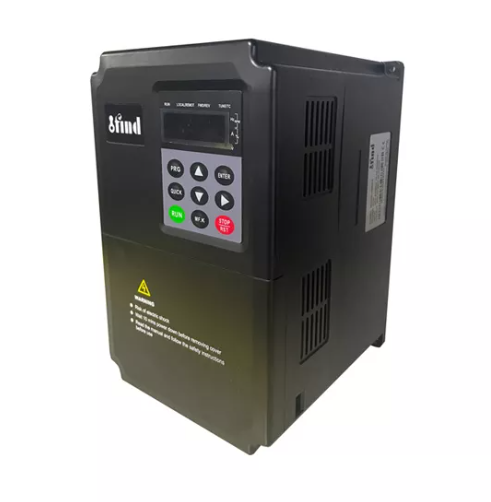
One of the major advantages of modern elevator inverters is their simplicity in installation and maintenance. These inverters come with user-friendly interfaces and diagnostic tools that allow technicians to easily monitor the system’s performance. Features like auto-tuning ensure that the inverter adjusts automatically to the elevator’s load, maintaining optimal performance without the need for manual adjustments. This reduces the complexity of installation and makes ongoing maintenance more efficient.
Best Practices for Maintaining Elevator Inverters
To ensure optimal performance, it is important to follow a regular maintenance schedule for elevator inverters. This includes checking the inverter’s performance, cleaning the cooling fans, and inspecting components for signs of wear and tear. Regular inspections help prevent system failures and ensure that the elevator continues to operate smoothly. By performing routine maintenance, building owners can avoid costly repairs and prolong the lifespan of their elevator systems.
Conclusion
Elevator inverters are a crucial component of modern elevator systems, offering significant benefits in terms of energy efficiency, safety, and ride comfort. They improve system performance by controlling motor speed and torque, reducing energy consumption, and ensuring smooth operation. Inverters also enhance passenger comfort by eliminating abrupt movements and providing backup power during emergencies. By investing in high-quality elevator inverters, building owners and managers can reduce operational costs, extend the lifespan of their elevator systems, and ensure a comfortable and safe experience for passengers.
IFIND's elevator inverters provide unmatched precision in motor control, enhancing both operational efficiency and safety. Their products offer reliable, cost-effective solutions for improving elevator performance and reducing energy consumption.
FAQ
Q: What is the function of an elevator inverter?
A: An elevator inverter regulates the motor's speed and torque, ensuring smooth acceleration, deceleration, and precise stopping. It enhances the elevator's operational efficiency, energy use, and passenger comfort.
Q: How does an elevator inverter improve ride comfort?
A: The elevator inverter smooths out acceleration and deceleration, preventing jerks or sudden stops. This results in a more comfortable ride for passengers, especially in high-speed elevators.
Q: Why are elevator inverters important for energy efficiency?
A: Elevator inverters adjust motor speed based on demand, reducing energy consumption. They also regenerate energy during braking, lowering operational costs and energy bills.
Q: How do elevator inverters contribute to elevator safety?
A: Elevator inverters provide backup power during emergencies and feature safety mechanisms like anti-rollback functions, preventing accidents during power failures or malfunctions.
Q: What is the cost of an elevator inverter?
A: The cost of an elevator inverter depends on factors like elevator type, speed, and required features. Generally, investing in high-quality inverters provides long-term savings through energy efficiency and reduced maintenance.


