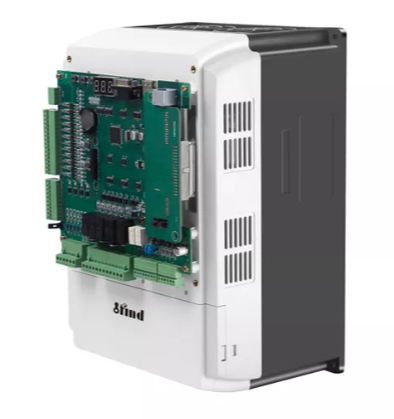
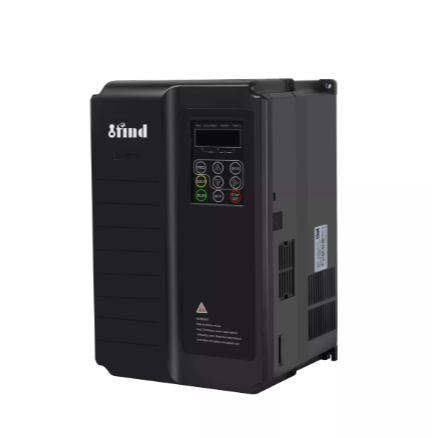
Elevator doors are the primary interface for passenger safety, yet traditional systems often struggle with dangerous "clamping" incidents. How can technology prevent these mishaps? Modern Door Controller Inverter systems act as an intelligent brain, offering proactive protection. In this post, you will learn how these inverters maximize security.
Key Takeaways
●Proactive Detection: ADoor Controller Inverter uses real-time torque monitoring to sense obstructions via current spikes before heavy physical contact occurs.
●Precision Motion: Unlike basic relays, inverters utilize S-curve speed profiles to ensure gentle starts and stops, reducing the kinetic energy during the final closing phase.
●Environmental Adaptability: Advanced software allows the system to compensate for wind pressure and rail friction, preventing false reversals while maintaining strict safety limits.
●Reduced Liability: Implementing intelligent anti-clamping technology helps building owners meet international safety standards like EN 81-20 and improves passenger confidence.
●Predictive Maintenance: Smart inverters track operational data and error codes, allowing technicians to identify mechanical wear before it leads to door failure.
The Mechanics of Modern Anti-Clamping: How the Door Controller Inverter Operates
A Door Controller Inverter manages the elevator door motor by converting power and precisely regulating motion. Unlike older systems that simply turn "on" or "off," the inverter uses high-frequency switching to control every millimeter of the door's journey.
One core feature is Real-Time Torque Monitoring. It continuously measures the electrical current flowing to the motor. If a person or object blocks the door, the motor meets resistance, causing a current spike. The inverter detects this instantly—often before the door makes significant physical contact—and interprets it as an obstruction.
To ensure safety, the system employs Variable Speed Curves. It doesn't move the doors at a constant velocity. Instead, it uses a programmed S-curve: starting slowly, accelerating in the middle, and decelerating as the doors meet. This controlled motion minimizes the kinetic energy and impact force.
The Immediate Reversal Logic is the final safety net. When the inverter identifies an obstacle via torque changes or sensor signals, it stops the closing motion and triggers a full reopen in milliseconds. This process relies on Encoder Feedback Integration, which provides the exact position of the door panels. This allows the system to know if it is hitting a real obstruction or simply reaching its fully closed position.
Note: Modern inverters comply with international standards like EN 81-20, which limits the maximum closing kinetic energy to 10 Joules.
Enhancing Safety Through Intelligent Speed Control
Safety isn't just about stopping; it's about how the door moves during its entire cycle. Intelligent speed control reduces the mechanical "violence" of door operations.
Soft Start/Stop Functionality is a primary benefit. By ramping up voltage gradually, the Door Controller Inverterprevents the doors from jerking. This reduces stress on the belts and hangers while ensuring passengers aren't startled by sudden movements.
Furthermore, Multi-Stage Closing Profiles allow the system to be highly efficient. The doors can close quickly at the start when the gap is wide, then slow down significantly during the last few inches where fingers are most likely to be pinched.
Feature
Function
Safety Benefit
Soft Start
Gradual motor acceleration
Prevents mechanical jerking
S-Curve Profiling
Smooth velocity transitions
Reduces impact kinetic energy
Reversal Buffering
Managed deceleration before reopening
Protects motor from current surges
Overcoming Environmental Challenges with Door Controller Inverters
Elevators don't operate in a vacuum. External factors often interfere with door performance, leading to false triggers or dangerous closing forces. High-rise buildings frequently suffer from the "stack effect," where wind pressure in the shaft pushes against the doors.
A sophisticated Door Controller Inverter uses Wind Pressure Compensation. It identifies the extra resistance caused by wind and temporarily increases torque to ensure the door closes, but it does so without exceeding safety force limits.
Similarly, Friction Compensation helps aging elevators. As rails collect dust or lubricants dry out, the door requires more force to move. The inverter learns these changes over time and adjusts its output. This prevents the door from "stalling" or falsely reversing due to mechanical drag.
For industrial sites, Heavy Door Management is essential. Freight elevators with massive fire-rated doors require specific torque profiles that standard controllers can't handle. The inverter manages the high inertia of these doors, ensuring they remain under control even if the power grid experiences Voltage Fluctuations.
Note: High-quality inverters feature wide voltage input ranges (e.g., 200V-240V) to remain operational during brownouts or unstable power conditions.
Comparing Technologies: Inverter-Driven vs. Traditional Relay Systems
In the past, elevator doors used simple limit switches and relays. These systems had one speed and one force setting. This "all or nothing" approach meant that if the door hit an object, it hit it with full force before the mechanical safety edge could retract.
The Door Controller Inverter introduces Precision vs. Force. Because it uses Variable Frequency Drive (VFD) technology, it can adjust motor speed to a fraction of a hertz. This allows for a "gentle" touch that relay systems simply cannot replicate.
Adaptive Intelligence is another differentiator. Modern inverters perform a "learn run" upon installation. They measure the door's weight and travel distance automatically. A relay system requires a technician to manually adjust cams and springs—a process prone to human error.
Traditional Relay System
Modern Door Controller Inverter
Fixed speed (Single speed)
Variable speed (S-Curve)
High mechanical wear (Loud clicking)
Low wear (Silent PWM operation)
Manual mechanical adjustments
Automatic "Self-Learning"
High impact force
Regulated, low-impact force
Tip: When upgrading older elevators, replacing a relay-based door operator with an inverter-driven system is one of the most cost-effective ways to improve tenant satisfaction and safety.
Installation and Calibration for Optimal Anti-Clamping Performance
Proper setup is the difference between a safe door and a liability. The Door Controller Inverter simplifies this through Auto-Tuning Procedures. During commissioning, the inverter drives the door through several cycles to map the resistance of the tracks and the weight of the panels.
Technicians must prioritize Setting Force Limits. Most global codes require that the force needed to prevent a door from closing must not exceed 150 Newtons. The inverter allows for digital entry of these limits, providing much higher accuracy than adjusting a mechanical clutch.
Once calibrated, Safety Parameter Verification is mandatory. This involves placing a test object in the door's path to confirm the Immediate Reversal Logic functions correctly at different points of the travel. Finally, keeping the Firmware Optimized ensures the controller benefits from the latest safety algorithms developed by the manufacturer.
Note: Always ensure the "Reopening" signal is hardwired as a high-priority interrupt in the elevator's main control cabinet.
Future-Proofing Elevator Safety with Smart Inverters
The next generation of elevator safety is data-driven. Modern Door Controller Inverters are no longer isolated components; they are part of the building's digital ecosystem. Predictive Maintenance Alerts allow the inverter to track how often the anti-clamping protection is triggered.
If a door starts reversing more frequently than usual, it may indicate a warped track or a failing sensor. The system can send a notification to the maintenance team before the door fails completely. Through IoT Connectivity, building managers can monitor door performance across an entire campus from a single dashboard.
Furthermore, these devices contribute to Energy Efficiency. They only consume significant power when the door is in motion. During standby, they enter a low-power mode while keeping the safety sensors active. This helps buildings meet green certifications while maintaining 24/7 passenger security.
Tip: Choose an inverter that supports standard communication protocols like CANbus or Modbus for easier integration with modern building management systems (BMS).
Maintenance Best Practices for Door Safety Systems
Even the best Door Controller Inverter requires a solid maintenance routine. Technicians should start with Inverter Error Code Analysis. These devices log faults, such as "Overcurrent" or "Position Loss," which provide clues about underlying mechanical issues.
Sensor and Drive Alignment is critical. If the infrared light curtain is misaligned, the inverter may receive conflicting signals. Regular cleaning of the light curtain lenses and the door tracks ensures the inverter doesn't have to work harder to overcome artificial friction.
Finally, perform Periodic Load Testing. Using a force gauge, verify that the closing pressure remains within the safety window. Since electronic components can degrade over time due to heat, ensure the inverter's cooling vents are clear of dust to promote Component Longevity.
Note: Excessive heat is the primary cause of inverter failure; always check that the door operator housing has adequate ventilation.
Conclusion
The Door Controller Inverter serves as the vital cornerstone of modern elevator safety. By combining real-time torque monitoring with precise speed control, ifind-inverter solutions prevent accidents and reduce mechanical wear effectively. These intelligent drives transform heavy panels into responsive safety barriers for every passenger. Building owners trust our technology to minimize liability and ensure smooth, reliable operation through advanced engineering. Safety truly begins at the door.
FAQS
Q: What is a Door Controller Inverter?
A: It is an intelligent drive that regulates elevator door speed and torque to provide advanced anti-clamping safety.
Q: How does a Door Controller Inverter detect obstructions?
A: The Door Controller Inverter monitors motor current fluctuations in real-time to identify resistance from blocked doors instantly.
Q: Why is this inverter better than traditional relay systems?
A: A Door Controller Inverter offers precise speed curves and adaptive intelligence, whereas relays lack sensitive force regulation.
Q: Can a Door Controller Inverter handle environmental interference?
A: Yes, it compensates for wind pressure and rail friction to maintain consistent, safe closing forces.