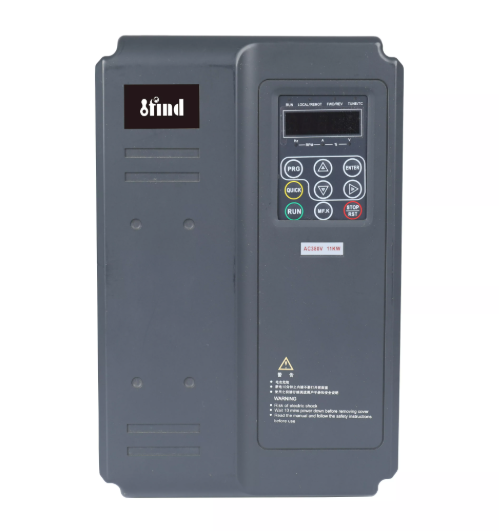
Did you know elevator door failures cause most passenger entrapments and building downtime? The Elevator Door Inverter acts as the system's brain, managing speed and safety. This guide explains how to diagnose and resolve common inverter faults to ensure smooth operations.
Key Takeaways
●The Inverter as a Safety Brain: The Elevator Door Inverter acts as a critical VFD controller, managing precise door speed, torque, and safety sensors.
●Distinguishing Fault Types: Technicians must distinguish between electrical inverter failures (like overcurrent or DC bus instability) and mechanical track obstructions.
●Essential Self-Learning: Replacing components or the drive itself requires a "Self-Learning" cycle to recalibrate the door travel stroke and weight.
●Impact of Environment: Overheating and unstable power supplies are leading causes of logic disruptions and component degradation.
●Proactive Maintenance: Regular firmware updates, terminal tightening, and sensor cleaning prevent minor glitches from becoming major safety risks.
Comprehensive Troubleshooting Guide for Common Elevator Door Inverter Problems
Overcurrent (OC) Faults and Motor Overloading
Overcurrent is one of the most frequent errors displayed by an Elevator Door Inverter. It typically occurs when the motor draws more current than the inverter’s rated capacity. This happens during peak usage or if the doors are exceptionally heavy. In many cases, the inverter is working correctly, but it trips to protect its internal IGBT modules from burning out due to excessive torque demands.
Door Position Sensor & Encoder Communication Errors
The inverter relies on constant feedback from encoders or position sensors to know exactly where the doors are located. If the signal is lost or noisy, the doors may move erratically or fail to find their "limit" positions. You should check for loose wiring or damaged sensor eyes that prevent the Elevator Door Inverter from completing its logic loop.
Jerky movement often points to improper parameter settings within the inverter’s S-curve acceleration profile. If the speed transitions are too abrupt, it places mechanical stress on the belts and hangers. Adjusting the acceleration and deceleration ramps can smoothen the transition and provide a more comfortable ride for passengers.
Low Voltage or Power Fluctuation Disruptions
Elevators require stable electricity to function. Unstable power can cause the Elevator Door Inverter to reboot unexpectedly or throw "Under Voltage" codes. In industrial buildings, large machinery starting up elsewhere can cause a voltage dip that confuses the inverter's microprocessors.
Heat Dissipation Issues within the Control Cabinet
Inverters generate significant heat during operation. If the cooling fans fail or the control cabinet lacks ventilation, the drive will enter a thermal protection mode. Overheating is a silent killer of electronics, often leading to premature component failure if not addressed through regular filter cleaning.
Unusual Vibrations or Mechanical Resistance Feedback
It is vital to distinguish between an electrical fault and mechanical drag. If the door tracks are filled with debris, the Elevator Door Inverter detects increased resistance and may interpret it as a motor fault. Before replacing the drive, manually move the doors to ensure they slide freely on their rollers.
Unresponsive Commands from the Main Controller
Sometimes the inverter is healthy, but it never receives the "Open" or "Close" command from the elevator's main logic board. This "dead" state usually stems from a faulty relay, a broken communication wire, or a blown fuse in the control circuit.
Diagnosing Electrical Faults in the Elevator Door Inverter System
Inspecting DC Bus Voltage Stability
The internal DC bus is the heart of the inverter. Use a digital multimeter to verify the voltage levels. For a standard 220V input, you should generally see a stable DC voltage around 310V. Significant fluctuations or a low reading suggest that the input rectifier bridge or the charging resistor is failing.
Identifying Faulty Capacitors and Blown Fuses
Perform a visual inspection of the electrolytic capacitors. If they appear "bulged" at the top or show signs of leaking fluid, they have reached the end of their functional life. Similarly, a blown fuse is often a symptom of a deeper short circuit within the power module, not just a random event.
Testing the Inverter Output to the Door Motor
Disconnect the motor and measure the output voltage across the U, V, and W terminals while the inverter is attempting to run. The phases should be balanced. If one phase is missing or significantly lower, the Elevator Door Inverter's power stage is likely damaged and requires professional repair.
Note:When testing output stages, use a multimeter with a "Low Pass Filter" (VFD mode) to get accurate voltage readings despite the high-frequency switching noise of the inverter.
Resolving Door Inverter Parameter Misconfigurations
Re-learning the Door Travel Stroke
Every time you replace a motor, belt, or the inverter itself, you must initiate a "Self-Learning" or "Auto-Tune" cycle. During this process, the Elevator Door Inverter drives the door slowly from fully closed to fully open to measure the distance and the required torque profile. If this step is skipped, the doors will likely slam or fail to open completely.
Adjusting Torque Limits for Passenger Safety
Modern safety regulations limit the force an elevator door can exert. If the torque is set too high, it poses a crush hazard; too low, and the door won't overcome the friction of the seals or wind pressure in the shaft. Technicians must find the "sweet spot" where the inverter provides reliable movement without exceeding safety limits.
Optimizing Hold-Open and Close Timing
Efficiency in high-traffic buildings depends on how quickly doors react. You can adjust the "dwell time" within the inverter parameters—the pause between the open command and the close command. Fine-tuning these timings can significantly reduce wait times on busy floors.
Note:The "Auto-Tune" function should only be performed when the door tracks are completely clean, as the inverter will "memorize" any mechanical resistance as a permanent part of the door's weight.
Managing External Factors: Sensors and Safety Edges
The Elevator Door Inverter receives a signal from the light curtain or infrared safety edge. If the light curtain is blocked or faulty, the inverter will refuse to close the doors. Check the status LEDs on the inverter's input terminals to see if the safety signal is "high" or "low" before assuming the inverter is broken.
Checking Mechanical Obstructions and Friction Levels
Excessive friction is the enemy of the inverter. If the door hangers are worn or the track is bent, the inverter must work harder, leading to overheating. Regular lubrication of the mechanical pivots reduces the electrical load on the drive.
Signal Interference and Shielding Issues
We often see erratic door behavior caused by "cross-talk" between wires. If the encoder cable is run too close to the motor power cables without proper shielding, the electrical noise can confuse the Elevator Door Inverter. Ensure all shields are grounded at a single point to drain away this interference.
Preventive Maintenance Strategies for Longevity
Routine Firmware Updates and Software Diagnostics
Manufacturers occasionally release firmware updates that improve motor control algorithms or fix software bugs. Using a laptop with the manufacturer’s diagnostic software allows you to view real-time performance graphs and catch failing components before they cause a breakdown.
Cleaning and Tightening Electrical Connections
Thermal cycling—the heating and cooling of wires—causes terminals to loosen over time. Loose connections lead to arcing and increased resistance, which can burn out the terminal block of the Elevator Door Inverter. A quick check with a screwdriver during quarterly maintenance prevents these issues.
Environmental Controls for the Inverter Cabinet
Dust is conductive. If it settles on the circuit board of the inverter, it can cause short circuits. Installing small dust filters on the cabinet intake vents and ensuring the machine room is climate-controlled will double the lifespan of your electronic equipment.
Maintenance Task
Frequency
Benefit
Visual Component Check
Monthly
Spots bulging capacitors early
Terminal Tightening
Quarterly
Prevents arcing and fire risks
Parameter Backup
Annually
Allows for 5-minute replacement if drive fails
Fan Replacement
Every 3 Years
Prevents catastrophic thermal failure
When to Repair vs. Replace Your Elevator Door Inverter
Cost-Benefit Analysis of Component-Level Repair
For high-end or obsolete Elevator Door Inverters, repairing the PCB is often more economical than a full replacement. Industrial electronic specialists can replace individual IGBTs or capacitors at a fraction of the cost of a new unit. However, if the main logic processor is damaged, a replacement is usually required.
Benefits of Upgrading to Modern High-Efficiency Inverters
Newer models offer better energy efficiency and much quieter operation. They also feature advanced "Direct Drive" logic that eliminates the need for some mechanical sensors, reducing the number of parts that can break in the future.
Identifying "End-of-Life" Signs in Aging Units
If an inverter requires frequent resets or shows signs of intermittent "ghost" faults that cannot be traced to wiring, the internal components are likely degraded. At this stage, proactive replacement is safer than waiting for a total failure that could leave passengers trapped.
Note:When replacing an inverter, always check if the new unit requires a different type of motor encoder, as modern drives often use high-resolution signals incompatible with older hardware.
Conclusion
Understanding the Elevator Door Inverter is essential for maintaining building safety and operational efficiency. By identifying common electrical and mechanical faults early, technicians can prevent major breakdowns. Proactive troubleshooting and regular maintenance remain the best tools for extending component life. Reliable solutions from ifind-inverter offer superior torque control and stability for every door cycle. Their specialized technology ensures your entrance systems remain safe, efficient, and trouble-free for years.
FAQS
Q: Why is my Elevator Door Inverter showing an overcurrent fault?
A: This usually happens due to motor overloading or mechanical track debris.
Q: How do I fix jerky movement caused by the Elevator Door Inverter?
A: You should adjust the acceleration and deceleration parameters within the inverter settings.
Q: What causes communication errors in an Elevator Door Inverter?
A: These errors often stem from signal loss between the inverter and the door position sensor.
Q: Can a faulty Elevator Door Inverter cause passenger entrapment?
A: Yes, malfunctions like stopping between floors can lead to safety risks and entrapment.