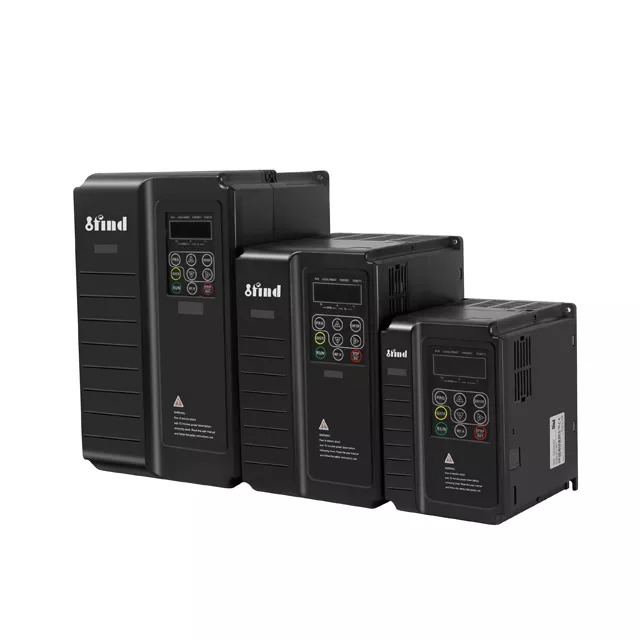
An Elevator Door Controller is the hidden brain behind every safe floor arrival. It dictates the speed, noise, and reliability of a building's most frequent movement. This guide explores how to choose the right technology to ensure smooth operation, lower maintenance costs, and better passenger safety.
Key Takeaways
●Prioritize VVVF Technology: Using Variable Voltage Variable Frequency technology is essential for creating smooth acceleration and deceleration curves, which ensures quiet and stable door movement.
●Enhance Safety with Torque Control: Advanced controllers limit closing force and utilize real-time feedback to detect obstacles, preventing physical harm to passengers and reducing property damage.
●Integrate Smart Security: High-quality controllers should seamlessly interface with mobile credentials, RFID fobs, and light curtains to manage access and prevent unauthorized entry.
●Optimize Operational Efficiency: Features like adjustable dwell times and destination dispatch help manage traffic flow and reduce wait times, especially in high-rise buildings with multiple elevator banks.
●Future-Proof Your Building: Investing in interoperable and cloud-based management software allows for remote monitoring, instant alerts, and easy updates to your security infrastructure.
Core Selection Criteria for Smooth and Safe Door Operation
Selecting the right Elevator Door Controller requires a deep dive into how it manages mechanical physics. It isn't just about opening a door; it is about managing the kinetic energy involved in moving heavy panels safely.
Variable Voltage Variable Frequency (VVVF) Technology
VVVF is the standard for modern door movement. It allows the Elevator Door Controller to adjust the voltage and frequency sent to the motor, creating a customized S-curve for acceleration and deceleration. This prevents the "jerking" motion often found in older systems. It results in a whisper-quiet operation that extends the lifespan of the door hangers and tracks.
Real-time Position and Speed Feedback
Modern systems utilize high-resolution encoders. They provide constant data to the Elevator Door Controller, allowing it to know the door's exact position within millimeters. This feedback loop is essential for identifying obstructions early and ensuring the door closes completely every time.
Safety Torque Control
Advanced controllers limit the closing force or "torque." If the door meets an unexpected object, the Elevator Door Controller detects the sudden spike in resistance and immediately halts or reverses the movement. This prevents physical harm to passengers and protects the property from vandalism.
Learning and Auto-Tuning Capabilities
Every elevator door has a unique weight and friction coefficient. Top-tier Elevator Door Controller models feature an "Auto-Tune" mode. Upon installation, they run a series of test cycles to learn the specific physical dimensions and resistance of the doors, automatically optimizing the torque and speed settings.
Integration with Light Curtains and Sensors
The controller must communicate flawlessly with multi-beam infrared light curtains. When a beam is broken, the Elevator Door Controller must trigger a reversal within milliseconds. This electronic "curtain" provides a touchless safety layer that complements mechanical torque limits.
Noise Reduction Engineering
In luxury residential or quiet office environments, mechanical vibration is a nuisance. Look for controllers that offer specialized low-noise pulse-width modulation (PWM). They reduce the "hum" of the motor, making the door movement nearly silent during high-traffic periods.
Emergency Opening Performance
During power outages or fire alarms, the Elevator Door Controller must interface with the elevator's emergency power supply or battery backup. It should be programmed to automatically open the doors at the nearest floor to allow for safe tenant evacuation.
Tip:Always verify that your controller supports a "Nudging" mode, which slowly closes the door with a warning buzzer if the light curtains are obstructed for too long.
Note:Auto-tuning should be re-performed after any major maintenance on the door tracks or rollers to account for changes in friction.
Understanding Different Types of Elevator Door Controllers
Building managers must match the controller technology to the specific motor and building height.
Controller Type
Best Use Case
Efficiency Rating
AC Permanent Magnet Synchronous
High-rise / High-traffic
High
Asynchronous Motor Controller
Modernization / Low-rise
Medium
Integrated Logic Controller
New Installations
High
AC Permanent Magnet Synchronous Controllers
These represent the gold standard. They offer high precision because the motor speed is directly locked to the frequency of the Elevator Door Controller. They are exceptionally energy-efficient and offer the most compact footprint for modern machine-room-less (MRL) designs.
Asynchronous Motor Door Controllers
These are cost-effective solutions often used for modernizing existing buildings. While they lack the extreme precision of synchronous models, they are robust and easier for general technicians to service. They provide a reliable upgrade path for older relay-based systems.
Integrated vs. Standalone Units
Integrated units combine the door logic with the main elevator control cabinet. They reduce wiring complexity. Standalone Elevator Door Controller units, however, are installed directly on top of the car. They offer better localized control and easier troubleshooting for specific door issues without affecting the main lift logic.
Safety Features and Regulatory Compliance
A safe Elevator Door Controller must do more than just follow commands; it must proactively prevent accidents.
Obstacle Detection and Automatic Reversal
The controller monitors the current draw of the door motor. If the current spikes—indicating the door is pushing against someone or something—it triggers an immediate reversal. This is a vital backup to the infrared sensors.
Compliance with Global Standards
Ensure the Elevator Door Controller carries certifications like EN81 (Europe) or ASME A17.1 (North America). These standards dictate specific requirements for door speed, closing force, and emergency behavior. Using non-compliant hardware can lead to massive legal liabilities.
Anti-Vandalism and Forced Entry Resistance
In certain residential settings, "door forcing" is a concern. Some controllers include a "forced-entry" alarm or a locking torque that prevents someone from manually prying the doors open from the landing side when the car is not present.
Note:In high-risk areas, choose a controller with a "heavy-duty" enclosure to protect the internal electronics from dust and tampering.
Compatibility and Integration with Building Systems
The Elevator Door Controller is increasingly a part of the broader building security ecosystem.
Interoperability with Access Control Systems
For secure floors, the door controller must wait for a "clearance" signal from an RFID or biometric reader before it initiates the opening sequence. If a user lacks the proper mobile credentials, the Elevator Door Controller keeps the doors locked to protect sensitive information.
Communication Protocols
Modern controllers use CAN bus or Modbus to talk to the main elevator computer. These digital protocols allow for much more detailed data exchange than old-fashioned hard-wiring. They can report specific error codes, such as "Door Jammed" or "Low Voltage," directly to the building management system.
Cloud-Based Monitoring and Diagnostics
Through IoT integration, an Elevator Door Controller can upload its cycle data to the cloud. Facility managers can track how many times the doors have opened and closed. This allows for predictive maintenance—replacing rollers or belts based on actual usage rather than just a calendar date.
Note:Check that the controller's communication protocol is compatible with your existing Building Automation System (BAS) to avoid costly gateway adapters.
Operational Efficiency and Traffic Flow Management
Door cycle time is the single biggest factor in elevator "wait times."
Adjustable Door Dwell Times
The Elevator Door Controller should allow for separate "Open Dwell" times. For example, a hospital might require the doors to stay open longer for stretchers, while a residential lobby needs them to close quickly for security.
High-Speed Operation for High-Rise Banks
In large elevator banks, every second counts. High-speed door controllers can safely increase the opening speed, allowing passengers to exit faster and the car to move to the next call.
Peak Period Performance
During morning "up-peaks," the Elevator Door Controller must handle rapid, repetitive cycles without the motor or the drive overheating. Look for units with dedicated heat sinks or thermal protection to ensure they don't lag when the building is busiest.
Note:Optimizing door closing speed within safe limits can improve total building handling capacity by up to 10% in high-rise environments.
Durability and Long-Term Maintenance Considerations
A cheap controller often leads to expensive repairs. Quality components ensure the system is "future-proof".
Thermal Protection and Heat Dissipation
Frequent door operations generate heat. A high-quality Elevator Door Controller uses high-grade capacitors and heat-dissipating aluminum casings to maintain performance in non-air-conditioned machine rooms or hoistways.
Ease of Programming and Interface
Technicians prefer controllers with clear digital displays or Bluetooth-connected apps. This allows them to adjust parameters like "Close Speed" or "Final Limit" without needing specialized proprietary tools.
Availability of Replacement Parts
Choose a reputable brand that guarantees parts availability for at least 10 years. An Elevator Door Controller is a long-term investment; you don't want to replace an entire system because a single proprietary chip is no longer manufactured.
Note:Digital error logs stored on the controller can reduce troubleshooting time by over 50% compared to manual inspections.
Conclusion
Selecting a high-quality Elevator Door Controller ensures smooth and safe facility operations. Prioritize VVVF technology and real-time feedback to protect tenants and reduce long-term maintenance costs. Modern solutions from ifind-inverter offer superior door control logic and cloud-ready connectivity. These advanced systems guarantee a professional first impression while maximizing building safety and efficiency.
FAQS
Q: What is an Elevator Door Controller?
A: It is hardware and software that regulates door speed and safety.
Q: Why use a VVVF Elevator Door Controller?
A: It creates smooth acceleration curves for quiet, jerk-free operation.
Q: How does an Elevator Door Controller improve safety?
A: It uses torque control and sensors to reverse doors upon detecting obstacles.
Q: Can an Elevator Door Controller link to security?
A: Yes, it integrates with RFID fobs or mobile credentials to restrict floor access.