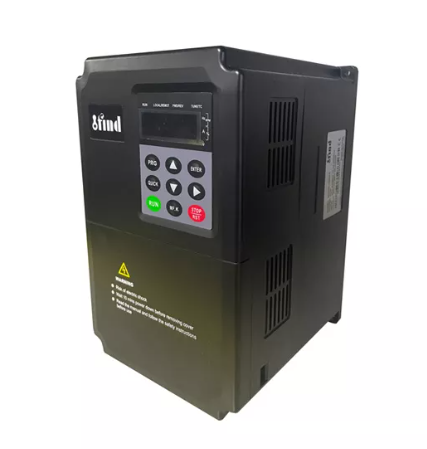
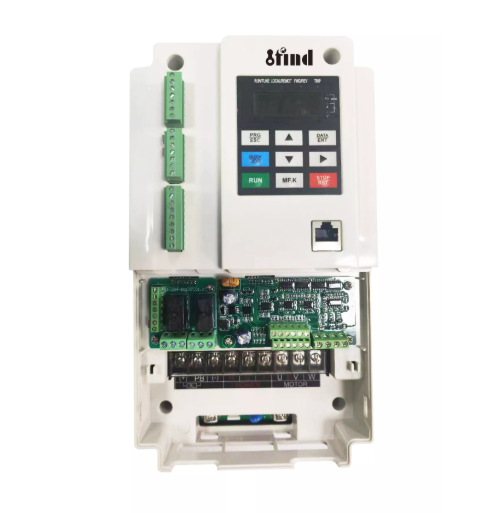
Elevators drive urban mobility, yet one part often dictates their uptime. Did you know faulty door drives cause 70% of service calls? This guide explains how to maintain the Elevator Door Controller Inverter. You will learn to ensure peak performance for modernization projects.
Key Takeaways
●Brain of the System: The Elevator Door Controller Inverter serves as the central processing unit, managing passenger commands and motor coordination.
●Safety First: Regular maintenance ensures that critical features like emergency brakes and sensors function correctly, minimizing accident risks.
●Modernization Efficiency: Upgrading to modern inverters reduces service calls by up to 70% and solves common challenges like slow response times.
●Precision Control: Advanced positioning systems and inverters ensure precise stops at each floor, preventing uneven leveling that causes discomfort.
●Cost Management: Proactive maintenance prevents small electrical or mechanical issues from escalating into expensive repairs or component replacements.
●Performance Metrics: Key indicators of a healthy system include reduced noise levels, optimized energy consumption, and faster door cycle times.
The Modernization Context: The "Brain" of the Door System
In the world of vertical transportation, the Elevator Door Controller Inverter acts as the sophisticated "brain" of the entrance system. During modernization projects, while mechanical structures like rails and cabs might remain, the electronic control layer is almost always replaced. This inverter is essential because it manages the complex relationship between motor movement, passenger safety sensors, and communication with the main elevator controller.
Outdated door drive technology often relies on mechanical limit switches or primitive resistance-based control, leading to those frequent service calls we all want to avoid. Modern inverters solve these reliability gaps by using Variable Voltage Variable Frequency (VVVF) technology to provide smooth, intelligent control. Our goal with this guide is to provide a roadmap for integration and maintenance that ensures seamless operations long after the modernization team leaves the site.
Comprehensive Maintenance Protocols for Elevator Door Controller Inverters
Maintaining an Elevator Door Controller Inverter requires a blend of visual inspection, electrical testing, and software calibration. Unlike simple mechanical parts, these units are sensitive to environmental conditions and power quality.
Visual Inspection of Inverter Circuitry and Cooling Fans
We start with the basics. Dust accumulation is the silent killer of electronic components. It acts as an insulator, trapping heat against delicate semiconductors. Technicians must check the cooling fans to ensure they spin freely. If a fan fails, the inverter may reduce its output frequency to protect itself from overheating, leading to sluggish door movements.
Voltage Stability and Power Supply Testing
The Elevator Door Controller Inverter requires a stable "diet" of electricity. We use multimeters to check for voltage sags or spikes that can cause erratic door speeds. In older buildings undergoing modernization, poor grounding or shared electrical trunks can introduce noise into the system, causing the inverter to trip unexpectedly.
Firmware Optimization and Software Parameter Tuning
Modernization often changes the physical dynamics of the building, such as different air pressure in hallways or updated door skins. We must update the inverter's firmware and tune parameters like acceleration curves to match these new conditions. This software-level "handshake" ensures the doors don't struggle against the environment.
Torque and Speed Curve Calibration
The speed curve is the "signature" of a well-maintained elevator. By adjusting the S-curve—the mathematical path of acceleration and deceleration—we prevent the mechanical "thump" at the end of the travel. Proper torque settings ensure the doors close with enough force to lock but not enough to cause injury.
Capacitor and Relay Integrity Checks
Electrolytic capacitors have a finite lifespan. We look for bulging or leaking capacitors within the inverter housing. Similarly, checking the physical relays for pitting or carbon buildup prevents "stuck door" scenarios that frustrate tenants.
Encoder Feedback Loop Validation
The encoder tells the Elevator Door Controller Inverter exactly where the door is at any given millisecond. If this feedback loop is compromised by a loose coupling or electrical interference, the doors may "hunt" for their position or slam into the bumpers. We validate this loop by monitoring the pulse counts during a full cycle.
Testing Emergency Obstruction Reversal (EOR)
Passenger safety is non-negotiable. We test how the inverter responds when it meets an obstruction. It should instantly reverse direction without exceeding the maximum allowable force. This involves integrating the inverter logic with light curtains and mechanical safety edges.
Maintenance Task
Frequency
KPI Goal
Fan Cleaning
Quarterly
Temp < 50°C
Voltage Check
Monthly
±5% Stability
S-Curve Calibration
Annually
Smooth Deceleration
EOR Safety Test
Monthly
Zero Impact Reversal
Tip: Always use an anti-static wrist strap when touching internal inverter circuitry to prevent ESD (Electrostatic Discharge) damage to the microprocessors.
Note: Software parameter backups are vital; always save a copy of the inverter settings to a laptop or cloud drive after every successful calibration.
The Role of the Elevator Door Controller Inverter in Modernization Projects
Modernization projects allow us to replace "dumb" hardware with "smart" systems. The inverter is the star of this transition.
Transitioning from DC Drives to AC VVVF Inverters
Moving from old DC motors to AC VVVF Elevator Door Controller Inverter systems is a game-changer. AC systems are more efficient, require less maintenance (no brushes to replace), and offer much finer control over movement. It is the most cost-effective way to make an old elevator feel brand new.
Compatibility Assessment with Existing Door Operators
We don't always replace the entire door motor. A high-quality Elevator Door Controller Inverter can often be tuned to drive the existing motor. We evaluate the motor's insulation class and thermal limits to ensure the new inverter won't "cook" the old windings.
Reducing Mechanical Stress through Smooth Frequency Ramping
When doors start and stop abruptly, they wear out hangers and rollers. The inverter uses frequency ramping to gently "nudge" the doors into motion and gently bring them to a halt. This reduces vibration and extends the life of the entire mechanical door assembly by years.
Key Performance Indicators (KPIs) for Door Inverter Health
How do we know if our maintenance is working? We measure these KPIs.
Minimizing Door Cycle Times without Sacrificing Safety
In a busy office building, every second counts. We use the Elevator Door Controller Inverter to trim milliseconds off the cycle by optimizing the "dwell time" (how long the door stays open). Faster doors mean less waiting and higher building efficiency.
Noise Level Reduction as a Metric for Success
A noisy door is a sign of poor control or mechanical friction. By using higher carrier frequencies in the inverter, we can eliminate the electrical "whine" often associated with older drives. A quiet door creates a premium feel for the tenants.
Energy Consumption Monitoring
Modern inverters are designed for "green" buildings. They use power only when moving and go into low-power modes when the elevator is idle. Monitoring these metrics can prove the ROI of the modernization project to building owners.
Troubleshooting Common Elevator Door Controller Inverter Faults
Even the best systems have bad days. Knowing the codes saves hours of guesswork.
Resolving Overcurrent and Overvoltage Error Codes
"Overcurrent" usually means something is physically blocking the door, making the motor work too hard. "Overvoltage" often happens during rapid deceleration if the braking resistor is failing. We check the mechanical tracks first, then the electrical braking path.
Addressing Communication Errors with the Main Elevator Controller
If the inverter "goes dark" and stops talking to the main controller, the elevator will park itself for safety. We check the serial communication wires for interference. Often, a simple reset or firmware sync fixes the "handshake" between the two brains.
Correcting Erratic Door Movements and Ghosting
"Ghosting" is when the door starts to open and then immediately closes for no apparent reason. This is often a sign of a "noisy" encoder signal or miscalibrated sensitivity settings. Recalibrating the torque limits usually solves this spookiness.
Tip: Keep a laminated "Fault Code Cheat Sheet" inside the controller cabinet for quick reference during emergency calls.
Note: Many "inverter faults" are actually caused by worn-out door rollers or dirty tracks increasing physical resistance.
Integrating Advanced Door Drive Technology with Building Management Systems (BMS)
Modernization is about data.
Real-Time Diagnostic Reporting through Inverter Data
The Elevator Door Controller Inverter can tell us its temperature, current draw, and even how many cycles it has performed. Integrating this into a BMS allows us to see problems before they cause a breakdown.
Remote Monitoring and IoT Connectivity
We can now monitor elevator doors from across the city. If an inverter starts reporting a high temperature, we can dispatch a technician before the fan fails completely. This is the heart of predictive maintenance.
Creating a Digital Paper Trail for Compliance
Safety codes require proof of maintenance. Digital logs from the inverter provide an unshakeable record of every safety test and repair. This protects building owners from liability and ensures the elevator stays legal.
Strategic Upgrading: When to Replace vs. When to Repair
Choosing between a "band-aid" fix and a full upgrade is a strategic decision.
Assessing the Obsolescence of Legacy Door Drives
If you can't find spare parts, it's time to upgrade. Legacy drives are often "black boxes" that don't provide error codes, making them a liability. A full Elevator Door Controller Inverter upgrade pays for itself in reduced downtime.
Sourcing High-Quality OEM vs. Universal Inverter Parts
OEM parts are guaranteed to fit, but universal inverters often offer more features for a lower price. We look for "open-source" friendly drives that don't lock the building owner into a single service provider.
Future-Proofing Your Modernization Investment
Choose an inverter that can handle software updates for the next decade. It should be modular, allowing you to add new sensors or communication modules as building technology evolves.
Tip: When sourcing parts, prioritize inverters with a high "MTBF" (Mean Time Between Failures) rating to ensure long-term reliability.
Best Practices for Professional Inverter Servicing
Success in maintenance comes down to consistency.
Training On-Site Teams for Basic Inverter Resets
We empower on-site staff to handle the "small stuff." Knowing how to safely reset an inverter or clear a simple obstruction saves the cost of a formal service call.
Establishing a Preventative Maintenance Schedule
"Wait and see" is not a strategy. We set a schedule for cleaning, testing, and calibrating. Regular "health checks" keep the Elevator Door Controller Inverter running smoothly for its entire 15-20 year lifespan.
Partnering with Specialized Technicians for Complex Modernization
Some things shouldn't be DIY. Complex tuning and integration require certified technicians who understand the nuances of frequency modulation and safety protocols.
Conclusion
Focused maintenance of the Elevator Door Controller Inverter serves as the vital backbone for successful modernization projects. By mastering these technical protocols, we ensure long-term passenger safety and consistent system reliability. The advanced solutions from ifind-inverter offer superior frequency control and durability for various building upgrades. Our products provide high-value efficiency and seamless integration for modern elevator operations. Contact us today for a professional modernization audit to optimize your building's performance.
FAQS
Q: Why is Elevator Door Controller Inverter maintenance vital for modernization?
A: It acts as the system's brain, solving 70% of service calls by ensuring smooth, reliable door operations.
Q: How do I troubleshoot an Elevator Door Controller Inverter overcurrent error?
A: Check for mechanical obstructions in tracks or recalibrate acceleration ramps to reduce motor strain.
Q: What are the benefits of a VVVF Elevator Door Controller Inverter?
A: These systems offer precise frequency control, reducing noise and energy consumption compared to old DC drives.
Q: When should I replace an Elevator Door Controller Inverter?
A: Consider an upgrade if parts are obsolete or if you experience frequent, costly breakdowns.